
The Purpose of a Smog Test
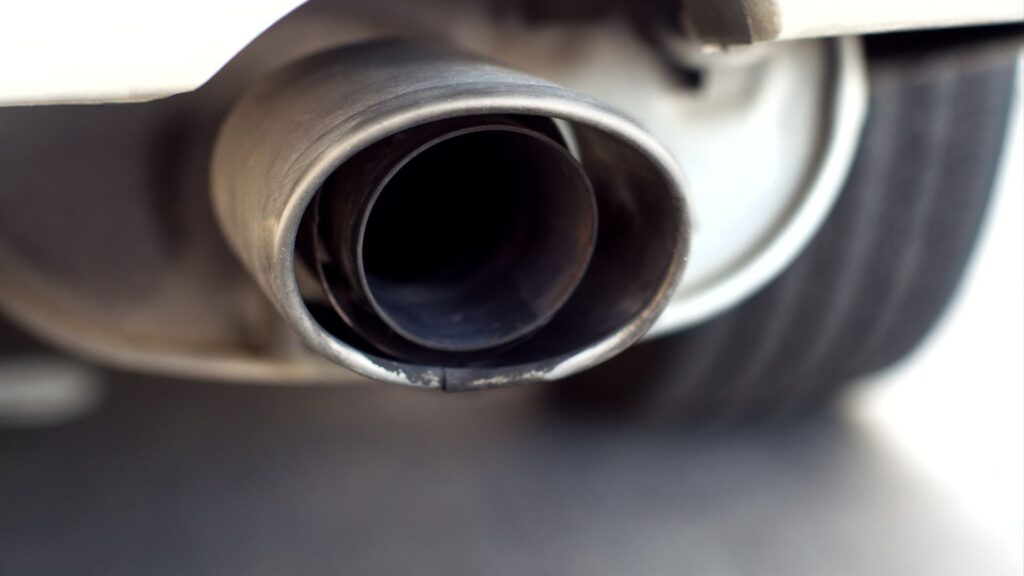
The main purpose of a Smog Test is to reduce vehicle emissions that harm the environment and human health. With millions of cars on the road, controlling emissions through a Smog Test is an effective way to limit air pollution. By undergoing this inspection, drivers contribute to cleaner air and a safer community.
Smog Test and Public Health
A Smog Test directly affects public health by reducing pollutants that cause respiratory problems and other illnesses. Gases like carbon monoxide and nitrogen oxides are harmful when inhaled, especially in urban areas with heavy traffic. By ensuring your car passes a Smog Test, you help protect your community from these health risks.
Environmental Benefits of a Smog Test
A Smog Test plays an important role in combating climate change. Vehicles that fail to meet emission standards contribute to greenhouse gases, worsening global warming. Passing a Smog Test means your car releases fewer harmful pollutants, supporting efforts to create a more sustainable future.
Economic Advantages of a Smog Test
Passing a Smog Test can save you money in the long run. Vehicles that meet emission standards usually run more efficiently, consuming less fuel and requiring fewer repairs. Additionally, some states offer incentives for drivers who maintain low-emission vehicles. A Smog Test ensures that your investment in your car remains cost-effective.
Why Skipping a Smog Test is Risky
Ignoring a Smog Test requirement can lead to serious consequences. From fines to registration denial, the penalties are not worth the risk. More importantly, skipping a Smog Test contributes to pollution and environmental harm. Responsible drivers view a Smog Test as both a legal duty and an environmental responsibility.
