
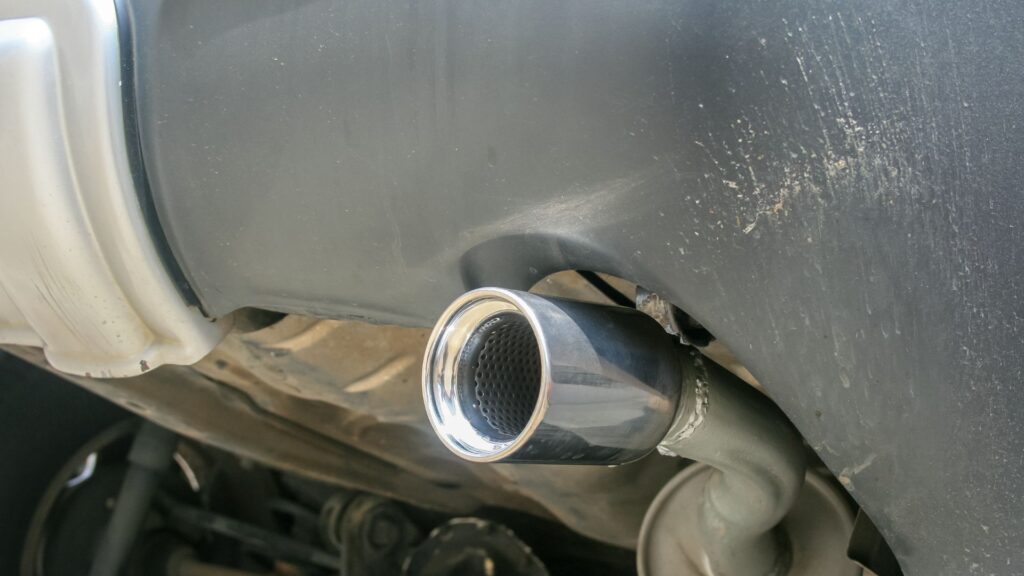
Why Smog Test Rules Are Not Uniform Nationwide
Smog test laws differ by state due to varying environmental policies, geography, and air quality levels. States like California enforce stringent smog test programs because of higher pollution, while others opt for minimal regulations. The federal government allows each state to tailor its program, resulting in differences from coast to coast. Understanding this helps drivers appreciate why moving from one state to another can alter their smog test obligations.
Local Climate and Geography Influence Smog Test Requirements
In states with extreme climates or specific terrain, smog test policies are adjusted accordingly. Coastal states or high-altitude regions may introduce different emission thresholds for compliance. For instance, vehicles in mountainous areas may require more frequent checks due to engine performance changes at elevation. This geographical variance affects how and when your vehicle must pass a smog test. Staying aware of local factors ensures proper planning.
Regional Air Quality Determines Smog Test Enforcement
Areas with poor air quality or high population density are more likely to enforce rigorous smog test programs. States often use data from environmental studies to decide where to implement inspections. Urban centers experience more traffic-related pollution, prompting frequent smog test mandates. Recognizing the link between air quality and smog test enforcement can guide you on what to expect depending on your location.
Smog Test Technology and Testing Methods by State
Different states use various smog test methods, including onboard diagnostics, tailpipe emissions, and visual inspections. For example, some require the use of a dynamometer, while others use a simple scanner. Knowing which method applies to your state can help you prepare for the inspection process. Understanding the testing equipment and procedures also reduces anxiety and potential missteps during your smog test appointment.
Adjusting to New Smog Test Rules After Moving States
Relocating to a new state may require learning entirely different smog test policies. A car previously exempt may now need regular testing, depending on your new address. Failing to adjust quickly can lead to registration delays or penalties. It’s wise to verify smog test requirements immediately after moving to remain compliant. Preparing ahead keeps your vehicle legal and avoids unnecessary roadblocks.
