
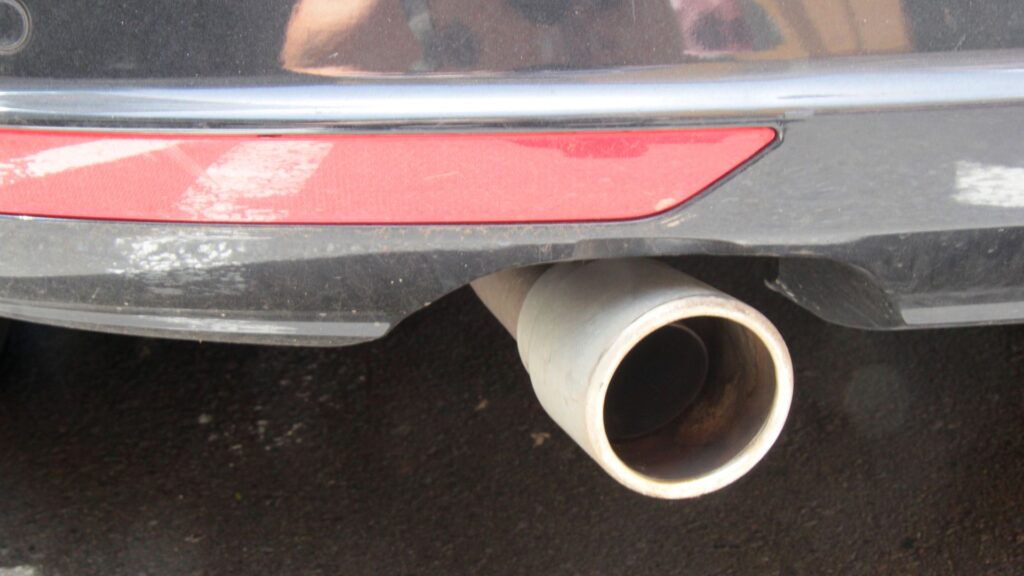
Understand What a Smog Test Evaluates
A smog test measures the amount and type of pollutants your vehicle emits. It typically involves inspecting your exhaust system, fuel system, and onboard diagnostics. Knowing what components are under scrutiny helps you prepare better. The test ensures your car meets environmental regulations and isn’t contributing to air pollution. Before the test, ensure your vehicle doesn’t have any warning lights on the dashboard. Faulty sensors, leaks, or worn-out spark plugs can all result in a failed smog test if ignored.
Perform Routine Maintenance Before Your Smog Test
Basic maintenance can significantly increase your chances of passing a smog test. Change the oil, replace dirty air filters, and ensure the spark plugs are functioning correctly. A well-maintained engine burns fuel more efficiently, reducing emissions. Additionally, make sure your tires are properly inflated and that your car has warmed up before arriving at the test site. Cold engines produce higher emissions, which could impact your results. Even something as simple as using fuel additives to clean the fuel system might give your engine the edge it needs.
Address Check Engine Lights Immediately
If your check engine light is on, your car will automatically fail the smog test. This warning light could indicate a range of issues, from a loose gas cap to a faulty oxygen sensor. Don’t ignore it or hope it will go away on its own. Use an OBD-II scanner to read the trouble code and determine the issue. Once repaired, you’ll likely need to drive several miles for the system to reset. Only once the monitor readiness is complete should you schedule the smog test.
Drive Your Car Regularly Before Testing
A car that hasn’t been driven recently may not pass a smog test because the engine and catalytic converter won’t be hot enough. Driving your car for at least 15 to 20 minutes before the test allows the engine to reach optimal operating temperature. This helps reduce the amount of hydrocarbons and carbon monoxide produced. Regular driving also ensures the onboard diagnostics system has completed the necessary checks to pass the emissions test. Idle or infrequent use of the vehicle can skew the test results.
Consult a Mechanic for a Pre-Test Inspection
If you’re unsure whether your vehicle will pass, consider visiting a trusted mechanic for a pre-inspection. They can run a mock smog test and identify potential issues that might cause failure. This proactive step can save time and money by allowing you to fix problems before the actual test. Experienced mechanics can often detect hidden issues, such as vacuum leaks or malfunctioning sensors. Getting professional insight ensures that your car is ready to meet smog test standards without surprises.
Read More:
