
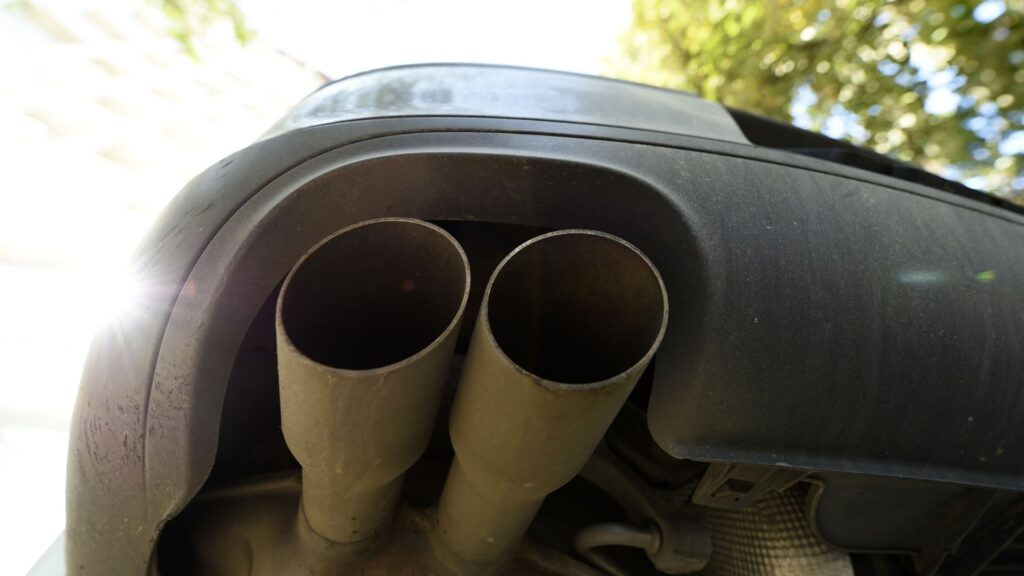
Defining a Smog Test
A Smog Test is an emissions inspection that determines how much pollution a vehicle produces. The test is essential for keeping harmful gases in check and ensuring compliance with air quality standards. Without a Smog Test, cars could release excessive pollutants, worsening air quality and contributing to environmental damage.
The Science Behind a Smog Test
A Smog Test measures pollutants such as hydrocarbons, nitrogen oxides, and carbon monoxide that are produced during combustion. Using advanced equipment, the technician collects exhaust samples and compares the results against state standards. The accuracy of a Smog Test is crucial to maintaining environmental balance and reducing harmful emissions.
Vehicles Subject to a Smog Test
Not all vehicles require a Smog Test. Typically, gasoline-powered cars older than a few years and diesel vehicles under a certain weight fall into the testing category. Electric vehicles and hybrids are usually exempt because they produce little to no emissions. Understanding which vehicles require a Smog Test ensures compliance with state regulations.
The Legal Importance of a Smog Test
A Smog Test is not optional in many states. Drivers must comply with emission testing laws to renew registration or complete a vehicle transfer. Failure to complete a Smog Test on time can lead to fines, registration holds, or legal complications. These requirements underline the critical role of a Smog Test in maintaining a regulated and safe environment.
How Drivers Benefit from a Smog Test
While a Smog Test is legally mandated, it also benefits drivers by identifying potential mechanical problems early. By detecting issues like malfunctioning sensors or inefficient fuel systems, a Smog Test can help drivers prevent costly repairs. Passing the inspection provides peace of mind that your car is performing at its best.
