Understanding the Basics of a Smog Test
A Smog Test is a procedure designed to measure the emissions produced by your vehicle. It evaluates whether your car meets the air quality standards set by environmental agencies. For car owners, a Smog Test is more than just a legal requirement; it is also a way to ensure that your vehicle is not releasing harmful pollutants into the atmosphere. The test focuses on gases such as carbon monoxide, hydrocarbons, and nitrogen oxides that contribute to air pollution.
When a Smog Test is Required
In most states, a Smog Test is necessary during vehicle registration, when selling a car, or after moving to a new state. Some states even require periodic testing every two years. These requirements depend on local laws, but the general purpose remains the same: to keep vehicles compliant with emission standards and protect public health. By knowing when your car needs a Smog Test, you can avoid penalties and ensure smooth registration renewals.
How a Smog Test is Performed
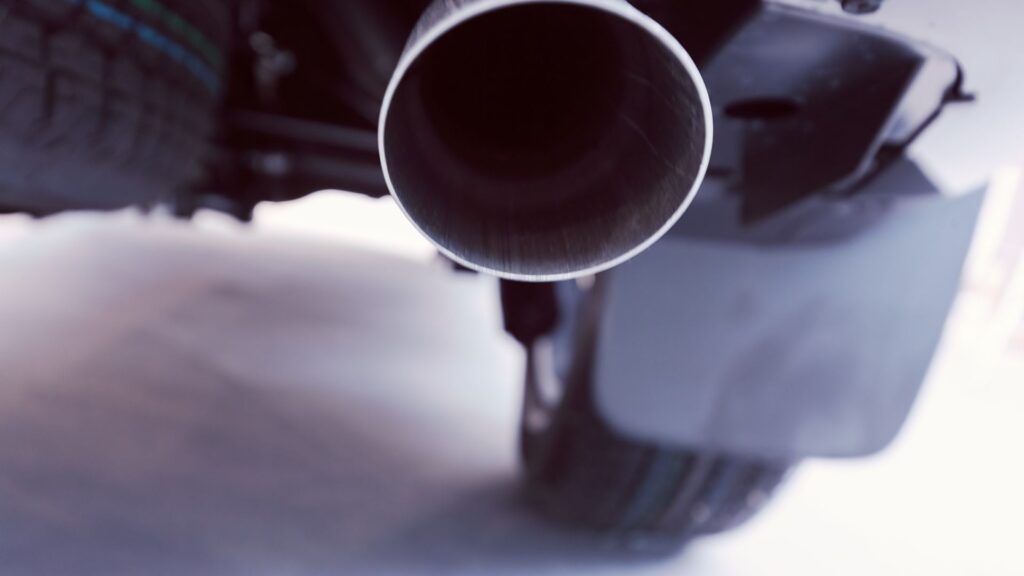
The Smog Test process is straightforward. Technicians connect your vehicle to specialized diagnostic equipment that measures emissions from the exhaust system. Some Smog Test inspections also include a visual check of the emission control system and an on-board diagnostics review. The test usually takes less than half an hour, making it a quick yet essential step for compliance.
What Happens if You Fail a Smog Test
Failing a Smog Test can be frustrating, but it provides valuable insights into your car’s condition. A failed result usually points to issues such as a faulty oxygen sensor, a damaged catalytic converter, or problems with the fuel system. Vehicle owners are given time to repair the issues and retake the Smog Test. Many states even offer financial assistance programs for repairs related to emissions.
Benefits of Passing a Smog Test
Passing a Smog Test ensures your car is environmentally friendly, legally compliant, and running efficiently. Vehicles that pass generally experience better fuel economy and reduced wear on the engine. Beyond compliance, a Smog Test contributes to cleaner air and healthier communities, making it a responsibility every car owner should take seriously.
