
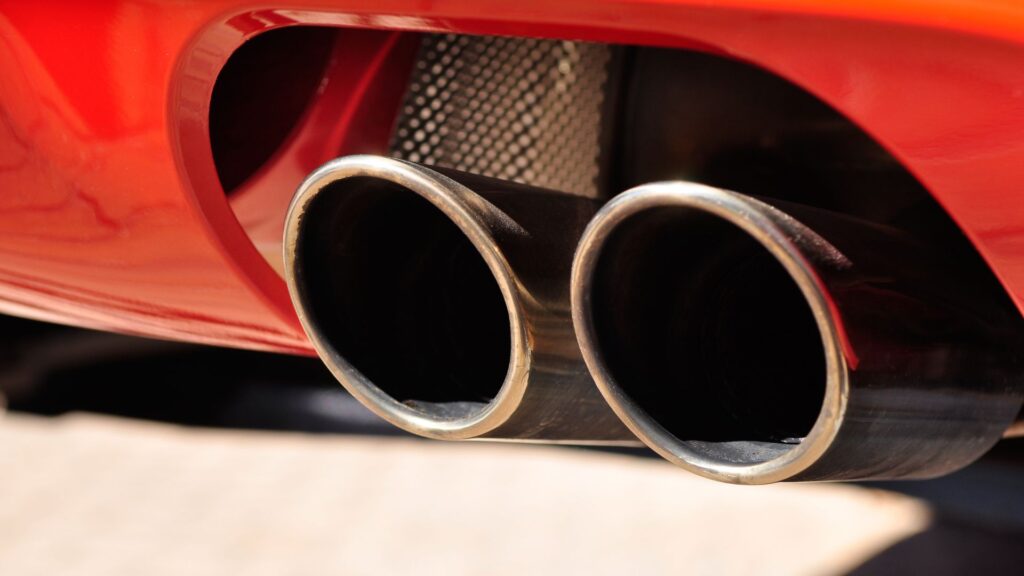
How a Smog Test Protects the Air We Breathe
A Smog Test is crucial for maintaining clean air by ensuring vehicles emit fewer harmful pollutants. Without the regulations enforced by a Smog Test, cars could significantly degrade air quality. By controlling emissions, the Smog Test system directly reduces pollution in densely populated areas.
The Connection Between a Smog Test and Climate Change
Vehicles are among the largest contributors to greenhouse gas emissions. A Smog Test helps reduce pollutants like carbon monoxide and nitrogen oxides that accelerate climate change. Through mandatory testing, authorities can regulate vehicle emissions and promote cleaner alternatives, making the Smog Test a critical environmental safeguard.
Smog Test and State Regulations
Different states implement Smog Test programs tailored to their air quality goals. Some states require testing more frequently due to higher pollution levels. By following these guidelines, drivers ensure compliance and contribute to statewide efforts aimed at reducing emissions. The Smog Test thus plays a central role in coordinated environmental policies.
How a Smog Test Encourages Cleaner Technologies
The requirement of a Smog Test has pushed the automotive industry toward cleaner technologies. Manufacturers now develop vehicles with better emission control systems to pass inspections. This ripple effect demonstrates how a Smog Test not only regulates emissions but also stimulates innovation in the automotive industry.
The Bigger Picture of a Smog Test
A Smog Test is more than just a routine inspection—it is part of a global effort to preserve the environment. By ensuring vehicles remain within emission limits, a Smog Test contributes to reducing air pollution, slowing climate change, and improving overall quality of life. Each successful test represents a small but meaningful step toward environmental protection.
