
Use Fresh Oil Right Before a Smog Check
Old oil can release unburned fuel vapors into the crankcase, raising hydrocarbon output. An oil change strips those contaminants so the engine exhales cleaner during the Smog Check.
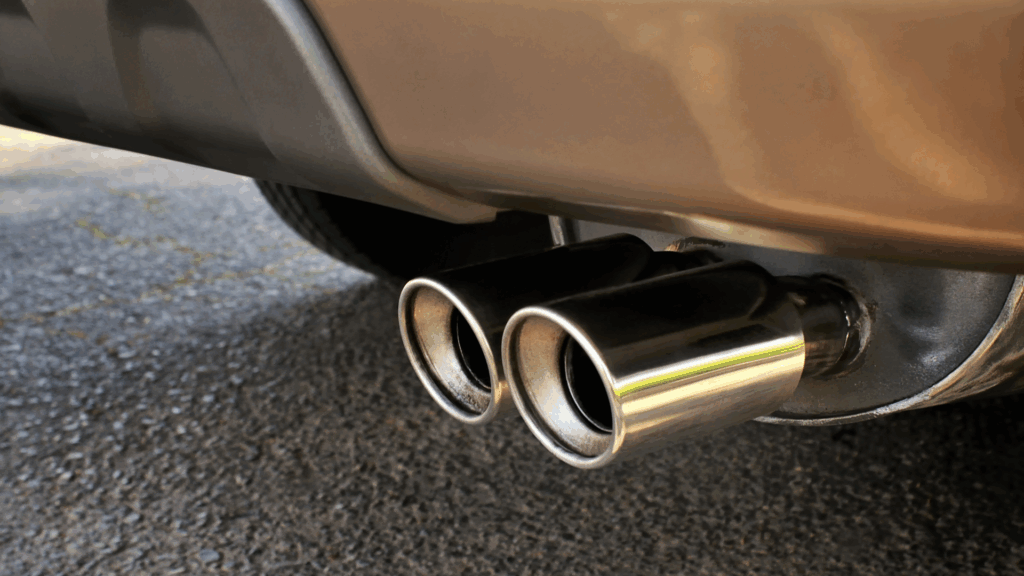
Fix Small Exhaust Leaks Pre-Smog Check
Pin-hole leaks upstream of the oxygen sensor admit excess air, tricking the ECU into enriching the mixture. A richer burn spikes CO and HC during the Smog Check. Sealing leaks restores accurate sensor data and leaner combustion.
Avoid Fuel Additives on Smog Check Day
Certain cleaners can create short-term emissions spikes as deposits burn off. Run additives a week before, not the night before, so combustion stabilizes long before the Smog Check.
Maintain Proper Tire Pressure for the Smog Check
Under-inflation increases rolling resistance, forcing the engine to work harder and emit more pollutants. Setting PSI to factory spec keeps engine load where the ECU expects it during the Smog Check drive cycle.
Finish the Smog Check With Regular Highway Drives
Post-test, continue weekly highway trips. Sustained speeds keep the catalyst clear and sensors calibrated, meaning your next Smog Check will start from a clean baseline rather than a neglected one.
Each article weaves Smog Check naturally through headings, introductions, development, and closing lines so search engines and drivers alike find the guidance clear, authoritative, and actionable.
Read More:
