
Understanding the Goal of a Smog Test
A smog test is designed to reduce air pollution by identifying vehicles that emit high levels of harmful gases. These tests evaluate a car’s emission system, helping state agencies enforce environmental regulations. Vehicles that fail a smog test may be barred from registration until repairs are made. The primary goal is to ensure cleaner air and improve the performance of emission systems in motor vehicles.
Onboard Diagnostics and Their Role in the Smog Test
Modern smog tests rely heavily on onboard diagnostic systems, known as OBD-II. These systems monitor various engine functions and emission controls in real time. During a smog test, technicians connect a scanner to the vehicle’s diagnostic port to retrieve codes related to emission performance. If the system detects a problem—such as a malfunctioning oxygen sensor or catalytic converter—it can trigger a failed test result.
Tailpipe Emission Analysis in a Smog Test
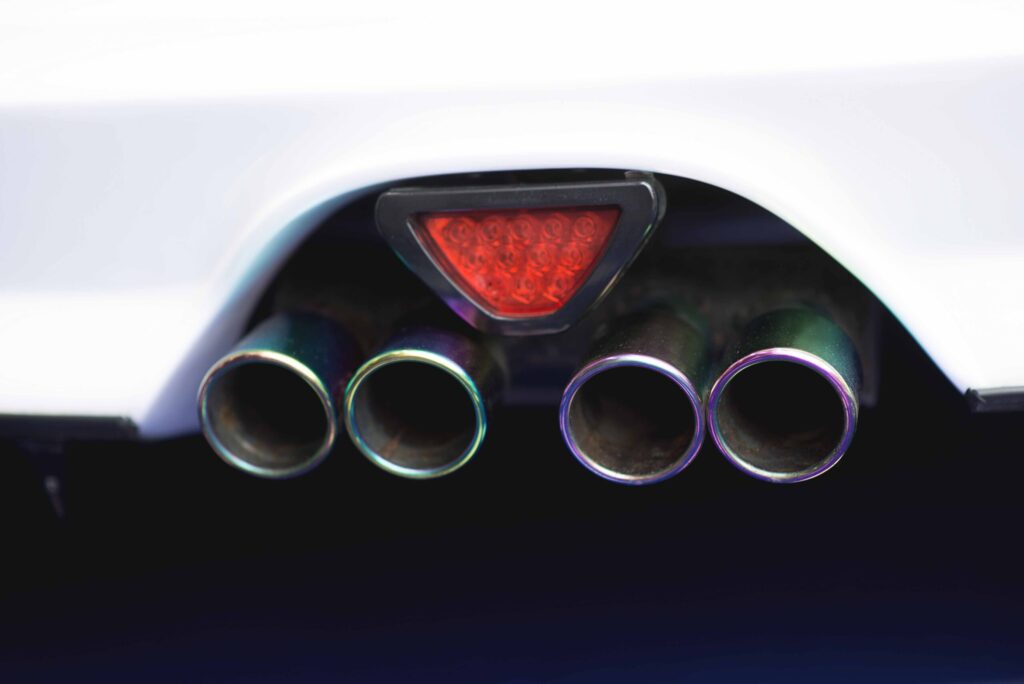
For vehicles not equipped with OBD-II systems, a tailpipe emissions test is used. This involves placing a probe into the tailpipe to directly sample and analyze exhaust gases. The test checks for levels of carbon monoxide, hydrocarbons, and nitrogen oxides. The results indicate whether the vehicle meets legal emission standards. Even small deviations from acceptable levels can result in failure.
Evaporative Emissions Testing in the Smog Test Process
Some smog test procedures include checks for evaporative emissions, which occur when fuel vapors escape from the gas tank or fuel system. Technicians use a smoke machine to identify leaks in the vapor recovery system. Even a small leak can contribute significantly to air pollution. By detecting and repairing these issues, the smog test helps reduce harmful vapor emissions and fuel loss.
Final Steps and the Outcome of the Smog Test
After testing, the results are submitted electronically to the appropriate regulatory agency. If the car passes, the driver receives a certificate that allows them to register or renew the vehicle. A failed smog test means repairs are needed before retesting. Understanding how a smog test works allows vehicle owners to take preventive steps and maintain compliance with air quality standards. Regular tune-ups and emissions system checks are key to passing every smog test with confidence.
