
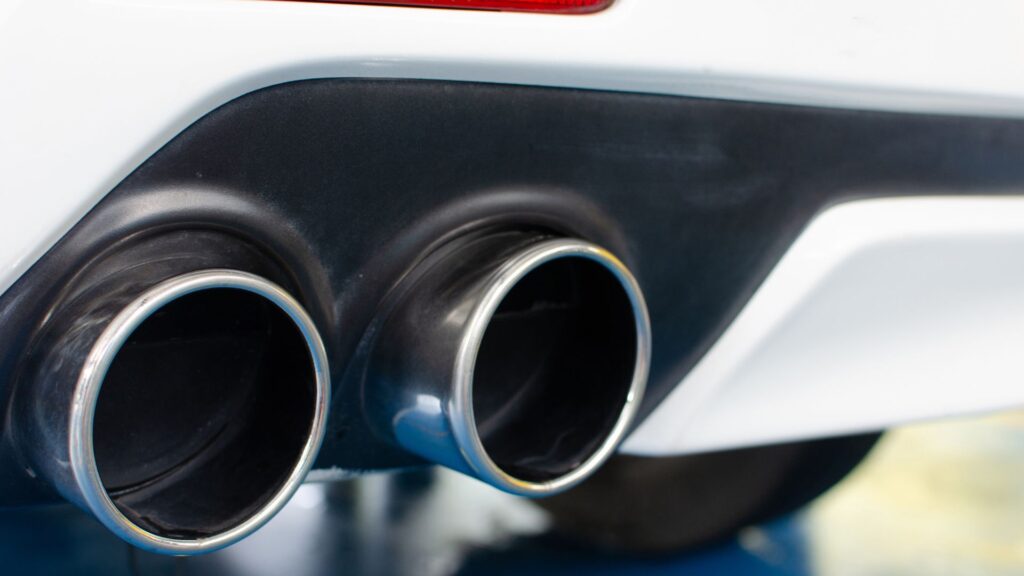
Understanding the purpose of a smog test
A smog test is designed to measure the level of pollutants released from a vehicle’s exhaust system. Behind the scenes, specialized equipment evaluates the gases produced during engine operation. This ensures that the car complies with air quality standards. The purpose of a smog test goes beyond checking emissions—it is also a safeguard for public health, as high emissions contribute to smog, respiratory issues, and environmental damage.
Equipment used during a smog test
When you bring your car in for a smog test, technicians rely on diagnostic tools that connect to the vehicle’s onboard computer. These machines can detect malfunctions in the emission system that may not be visible to the naked eye. Advanced exhaust analyzers measure pollutants such as carbon monoxide, hydrocarbons, and nitrogen oxides. By combining computer diagnostics with direct exhaust readings, the smog test provides an accurate picture of vehicle performance.
The role of technicians in a smog test
Certified technicians play a critical role in conducting a smog test. They carefully inspect the car, connect the necessary equipment, and ensure accurate readings are recorded. A smog test is not simply a push-button procedure; it requires expertise to interpret the results and identify whether repairs are needed. Their training ensures that every smog test is completed with precision, protecting both drivers and the environment.
Steps involved in a smog test inspection
The smog test process usually starts with a visual inspection of the vehicle’s emission system. Next, the car is placed on a dynamometer, where it runs under simulated driving conditions while emissions are measured. The onboard diagnostic system is then checked for error codes. Finally, results are compared to state regulations. Each step in the smog test ensures the vehicle meets clean air standards before it can pass inspection.
The outcome of a smog test
At the end of a smog test, the results determine whether the vehicle is compliant or requires repairs. A passing result means the car is safe to operate under state law. If the vehicle fails, owners must make repairs and retest until it meets standards. This outcome ensures that only vehicles with controlled emissions remain on the road. The behind-the-scenes work of a smog test plays a vital role in maintaining cleaner air for everyone.
Read More:
