The Importance of a Smog Test in Vehicle Maintenance
A smog test is more than just a legal requirement—it plays a vital role in protecting the environment and public health. These tests measure the level of pollutants your vehicle emits and determine if it meets state or local emissions standards. Regular smog tests help ensure your car is operating efficiently, reducing harmful gases like carbon monoxide, nitrogen oxides, and hydrocarbons that contribute to air pollution.
Initial Inspection Before the Smog Test Begins
Before the smog test starts, technicians perform a visual inspection of the vehicle. They check for proper connection of emission-related components such as the catalytic converter, EGR valve, and hoses. Any signs of tampering or visible damage can lead to immediate failure. This step ensures that all emissions control systems are in place and working correctly before actual testing begins.
Emissions Testing: The Heart of a Smog Test
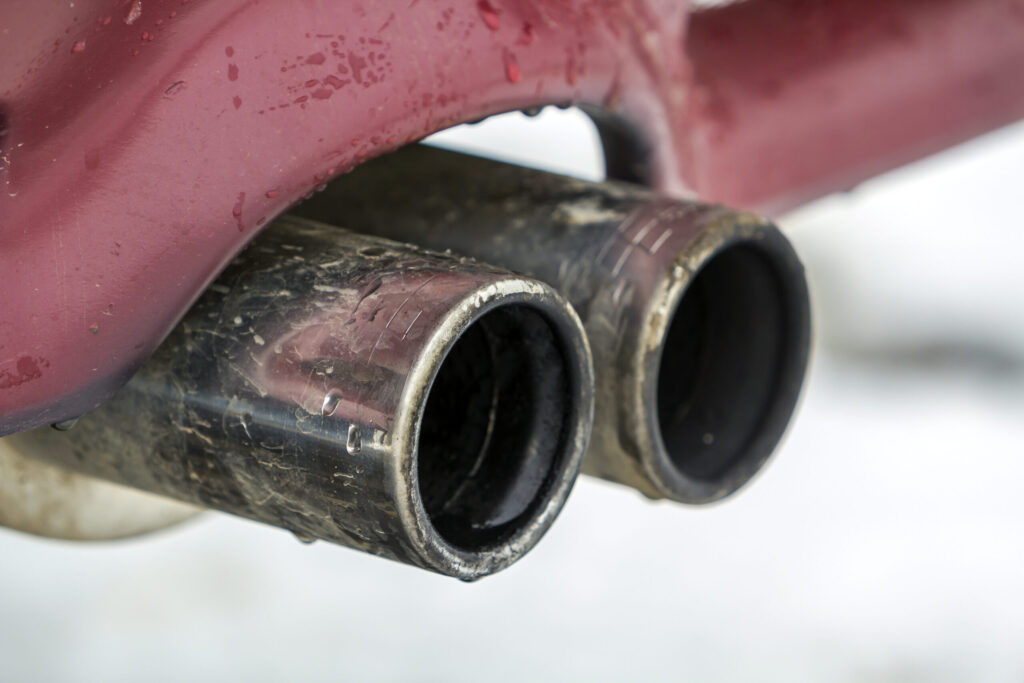
The core of the smog test involves analyzing exhaust emissions. Most vehicles are tested using either a tailpipe test or an onboard diagnostics (OBD-II) system. Tailpipe tests are more common in older cars, where a probe is inserted into the exhaust to measure emissions while the engine runs. Newer vehicles rely on computer data from the OBD-II to check for engine problems that may affect emissions output.
The Role of the Dynamometer in a Smog Test
In some states, a dynamometer is used during the smog test to simulate driving conditions. The vehicle’s wheels rest on rollers while the engine runs at various speeds. This helps technicians measure emissions under load and stress, providing a more accurate picture of how the vehicle behaves on the road. Not all vehicles require this step, but it can be essential for older or high-performance models.
What Happens After a Smog Test is Completed
Once the smog test is done, results are transmitted to the DMV and provided to the vehicle owner. If the vehicle passes, you receive a certification. If it fails, the report indicates which areas need repair. You must address the problems and retest the vehicle to ensure compliance. Regular maintenance and early repair of emission-related issues can increase the likelihood of passing your next smog test with ease.
