
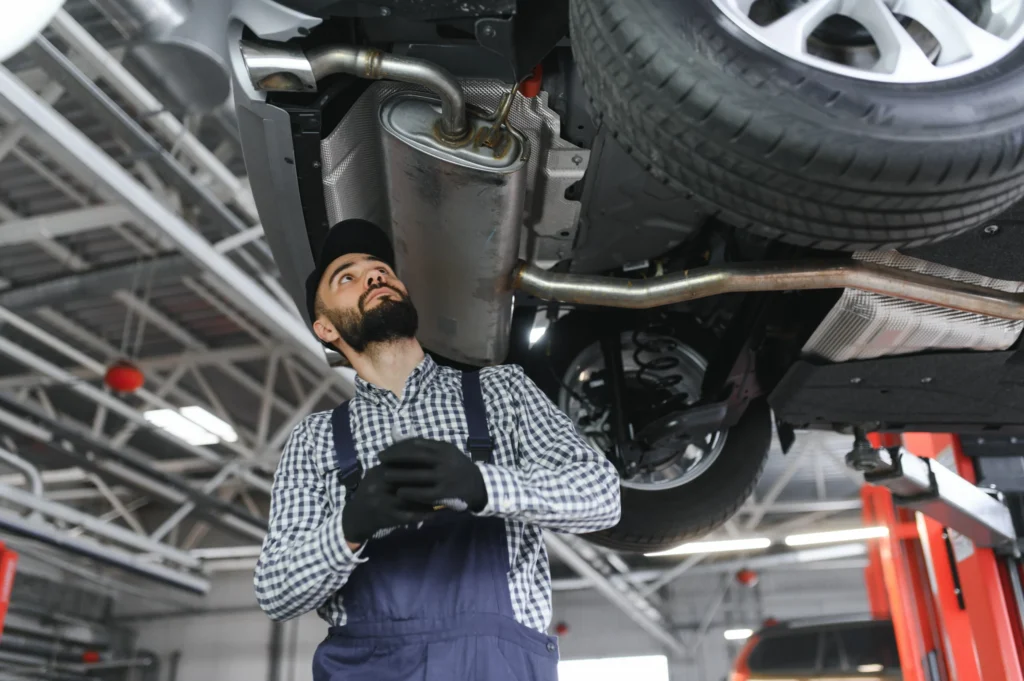
The Importance of Preparing for Your Smog Test
Proper preparation is key when it comes to passing a smog test. Simply waiting until the last minute can lead to preventable failures and delays. Checking basic components like the engine, exhaust, and emission systems before the appointment can make a significant difference in the outcome.
Inspecting Your Vehicle’s Sensors in Advance
Many smog test failures stem from faulty sensors. If your oxygen or mass airflow sensors aren’t working correctly, your vehicle could emit more pollutants than allowed. These sensors are essential for measuring and regulating emissions. Replacing or cleaning them in advance can save you from a failed inspection.
Ensuring No Active Error Codes
A smog test will automatically fail if there are any stored error codes, even if the car seems to run fine. Using an OBD scanner to check for and clear codes—after resolving the underlying issues—is a smart step before scheduling your test. It ensures the system reports your car’s true condition.
Maintaining the Cooling and Combustion Systems
Overheating engines or poor combustion can result in higher emissions. Keeping the cooling system clean and ensuring the engine is burning fuel efficiently will reduce pollutants. These systems work hand in hand and directly affect your chances of passing a smog test.
Final Drive Cycle and Warm-Up Tips
Before a smog test, driving your car for 15–20 minutes can help bring the engine to optimal temperature, ensuring a more accurate reading. This drive allows all systems to stabilize, giving your vehicle the best chance to meet emission standards. Skipping this step could lead to avoidable test failure.
Read More:
